

In the heart of Toronto, it doesn’t take long to encounter individuals preoccupied with political issues.
“I believe everyone is quite anxious about politics currently. It’s challenging not to be,” Tonya Facey expressed when approached by CBC News. “Politics permeates daily life, and there’s a lot happening in that realm.”
Jamie Haynes, who is visiting from St. John’s, shared similar concerns regarding political matters.
“Especially with the ongoing conflict involving Donald Trump and Canada — it’s rather alarming,” he remarked.
Issues such as the trade dispute with the United States, an Alberta referendum, and the upcoming Quebec election this fall, along with global tensions, are examples of political events that can induce stress, according to researchers. Decisions made in politics that affect individuals’ everyday lives, as well as disagreements that lead to conflict, also contribute to anxiety.
The phenomenon of political stress has become a distinct area of research that gained momentum in the United States during the 2016 presidential election. In Canada, political scientists, psychologists, and mental health professionals are also exploring the impact this type of stress can have on individuals’ well-being.
“There is considerable documented evidence, especially over the last decade, examining issues like sleep disturbances, appetite loss, negative emotions, and episodic depression — all of which people can relate to major elections or specific global conflicts,” noted Amanda Friesen, a Canada Research Chair in Political Psychology.
Friesen, a political science professor at Western University in London, Ontario, established the Body Politics Lab in 2022, where her team conducts studies on how politics affects individuals both physically and mentally.
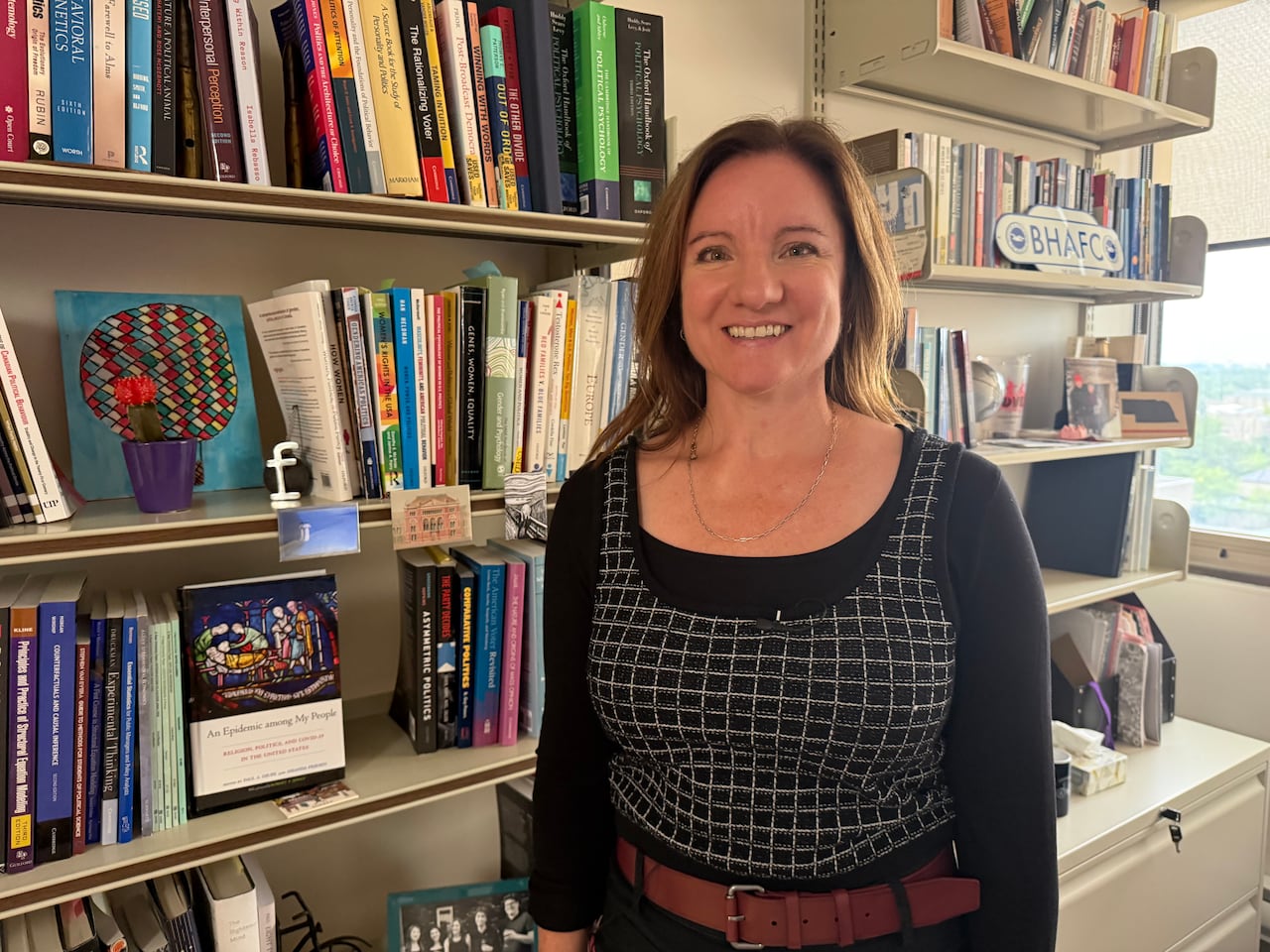
Political stress has become a recognized field of study since the 2016 U.S. presidential election. Amanda Friesen, a political science professor, founded the Body Politics Lab at Western University to analyze how people emotionally and physically respond to politics. (Meagan Fitzpatrick/CBC)
One study involved 81 undergraduate students using a ring-like device to track their temperature, heart rate, and sweat levels while browsing their TikTok feeds. Western University PhD student Samantha Jones indicated that a significant finding from the study was not just the physical responses to political content, but the emotional ones as well.
“They were more inclined to report negative feelings afterward compared to other content,” Jones explained.
Participants were also more likely to interact with the content — sharing and reading comments — which influences the platform’s algorithm.
“So even though this content left them feeling bad,” she added, “they are unintentionally signaling a desire for more.”
Striving for a Healthy Balance
Friesen stated that these studies aim to clarify what aspects of politics induce stress in individuals and the implications of that stress for personal health — and the health of democracy itself.
“One of our current projects focuses on balancing democratic engagement and individual health,” she mentioned.
Typically, if something is found to negatively affect someone’s well-being, they are advised to steer clear of it. However, politics infiltrates people’s daily experiences, and with the constant presence of social media and news updates, avoidance becomes difficult. Additionally, to sustain a healthy democracy, it’s essential for individuals to remain politically engaged, Friesen emphasized.
Noah Vanderhoeven, a researcher with the Body Politics team, believes that it is possible to find a middle ground between staying informed and fostering healthy habits.
Some individuals even channel their political stress into positive actions for democracy, he noted.
“These anxieties regarding the political climate can also be addressed through civic engagement and participation,” Vanderhoeven stated.
He is conducting a study this fall related to the Alberta referendum, which he anticipates could be a source of stress for some individuals.
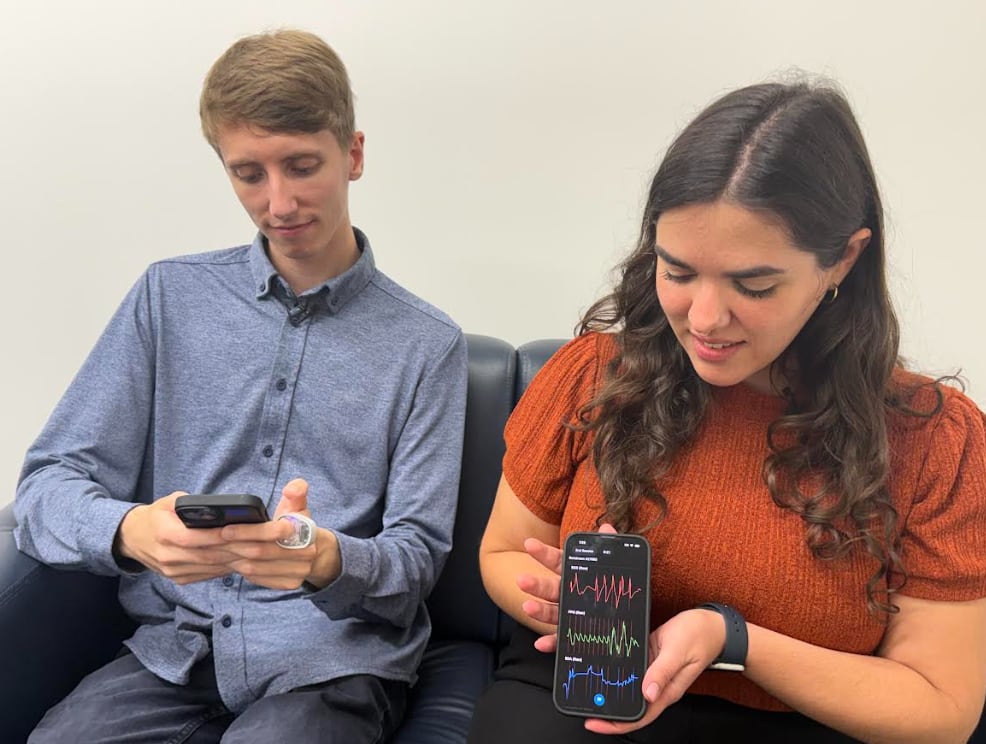
A study involved undergraduate students using a ring-like device to monitor their temperature, pulse, and sweat levels while scrolling through TikTok. PhD student Samantha Jones, alongside colleague Cole Stevenson, reported that participants felt negatively after viewing political material. (Meagan Fitzpatrick/CBC)
Maintaining a healthy approach to staying informed about politics can prove challenging for many Canadians, according to Dr. Allison Crawford, a psychiatrist at the Centre for Addiction and Mental Health who manages Canada’s national 9-8-8 suicide crisis hotline.
She noted that individuals are reaching out for help due to political stress.
“When political concerns lead to broader uncertainties, particularly regarding finances or personal security, we often see this reflected in our texters and callers,” Crawford explained.
People report difficulties sleeping, feeling uneasy, overwhelmed, and powerless, she added.
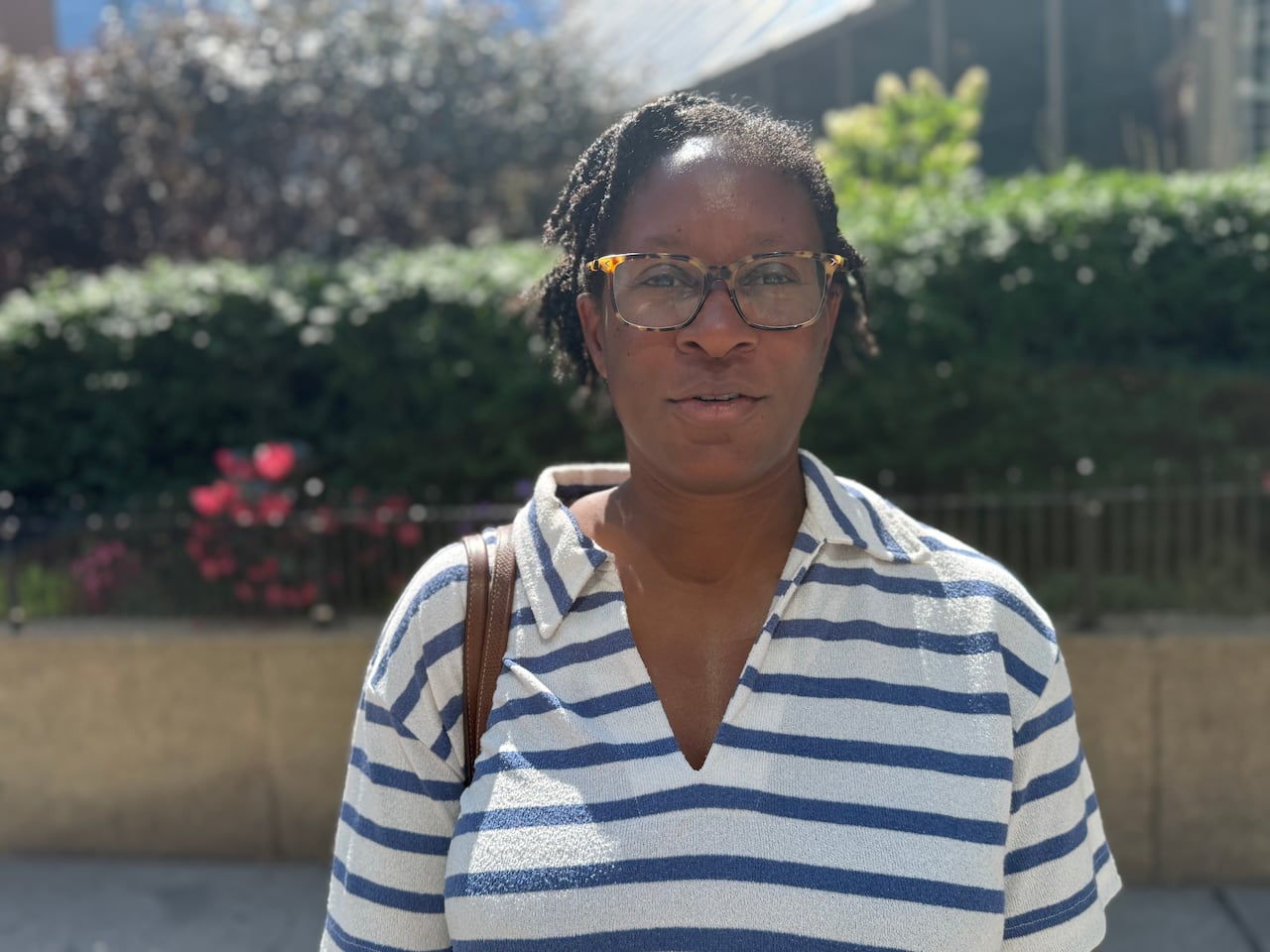
‘I think everyone is pretty stressed about politics right now,’ says Tonya Facey in Toronto. Callers on crisis lines report losing sleep, feeling uneasy, overwhelmed, and helpless due to political stress. (Meagan Fitzpatrick/CBC)
Recognizing these symptoms is a valuable first step, Crawford advised, followed by seeking support from trusted individuals.
“We want people to be active participants in our democracy, and we encourage engagement, but there are aspects we can control and others we cannot,” she stated.
Crawford recommended that individuals monitor their time spent on news and social media, as this can be adjusted to help alleviate stress.
‘Spike’ in Trade War Stress
Recent reports in Canada have been dominated by the trade conflict with the U.S., and Friesen indicated that Canadians’ levels of political stress have significantly “spiked” since Donald Trump began his second term and targeted Canada.
“There was suddenly an external ‘enemy’ that united Canadians but also heightened this stress,” Friesen noted. “I believe there’s a significant element of uncertainty. Is this merely posturing? What are the implications? And uncertainty inevitably breeds anxiety.”
That’s precisely what Amélie Valois expressed she is experiencing.
“Politics definitely stresses me out, especially with the current situation in the U.S. and how it will affect our grocery prices, businesses, and everything moving forward,” she told CBC News as she made her way to the Rogers Centre for a Blue Jays game. “It’s quite stressful.”