

While many may desire a yard adorned with blossoming roses, the multiflora rose variety is causing concern in Nova Scotia.
Experts in the region warn that although multiflora roses are visually appealing with their pink or white delicate blooms, their rapid growth poses a significant threat to the local ecosystems.
Samantha Knight, an ecologist and primary steward at Fort Needham Memorial Park in north-end Halifax, emphasized on CBC’s Mainstreet that out of all the invasive plant species they tackle, multiflora rose stands out as the biggest challenge to the forest structure in Nova Scotia.
Knight explained that these roses have the ability to outcompete surrounding vegetation, eventually dominating an area with dense coverage, disrupting the natural balance and potentially leading to further ecosystem degradation.
David Steele, leading a volunteer group in the Wolfville and Kentville region, described multiflora roses as a “vicious” plant. His team has been actively removing these invasive species from the area.
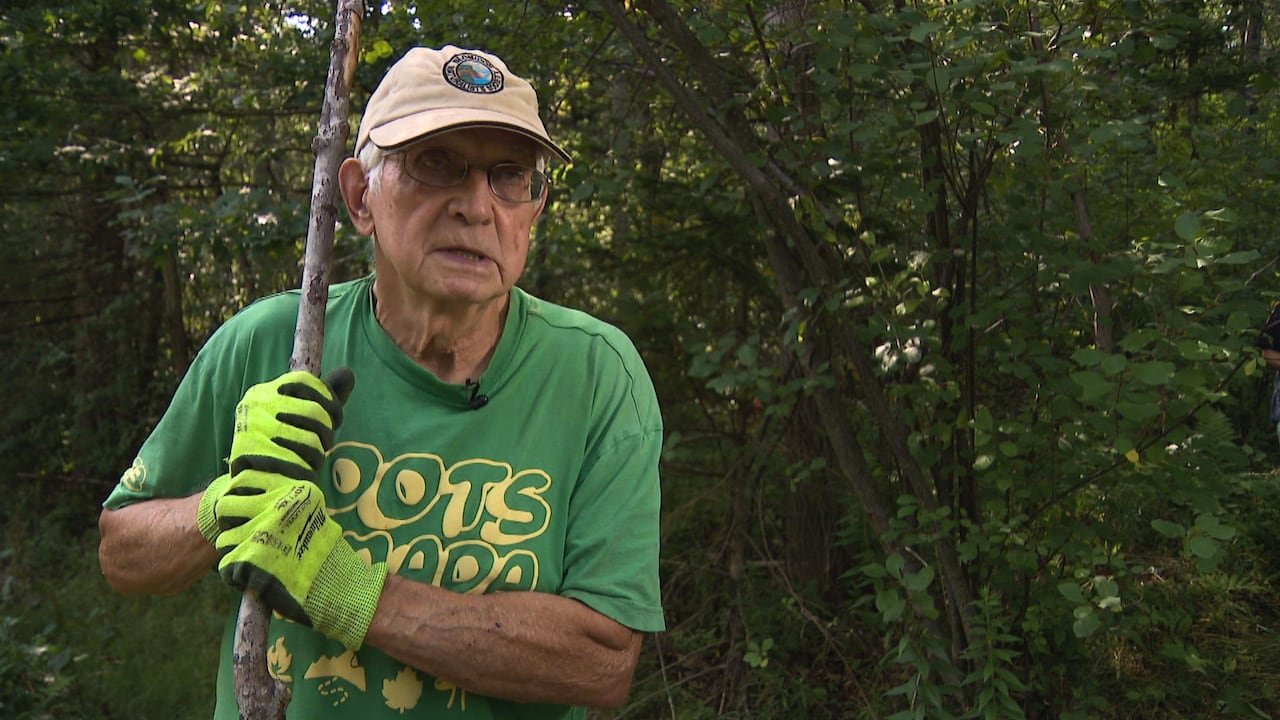
David Steele leads a volunteer group in Wolfville, N.S., dedicated to eradicating invasive species from local parks. (Daniel Jardine/CBC)
Originally introduced from Asia for ornamental rose breeding rootstock, multiflora roses were later used by farmers to create cattle barriers due to their dense, thorny nature.
Steele pointed out that multiflora roses reproduce through seeds dispersed by birds consuming their berries, allowing the plant to spread to new areas. Construction activities can also inadvertently transport these seeds, aiding their proliferation.
Despite preferring open, sunny environments, these resilient roses have been discovered growing in unexpected locations such as streams, showcasing their adaptability.
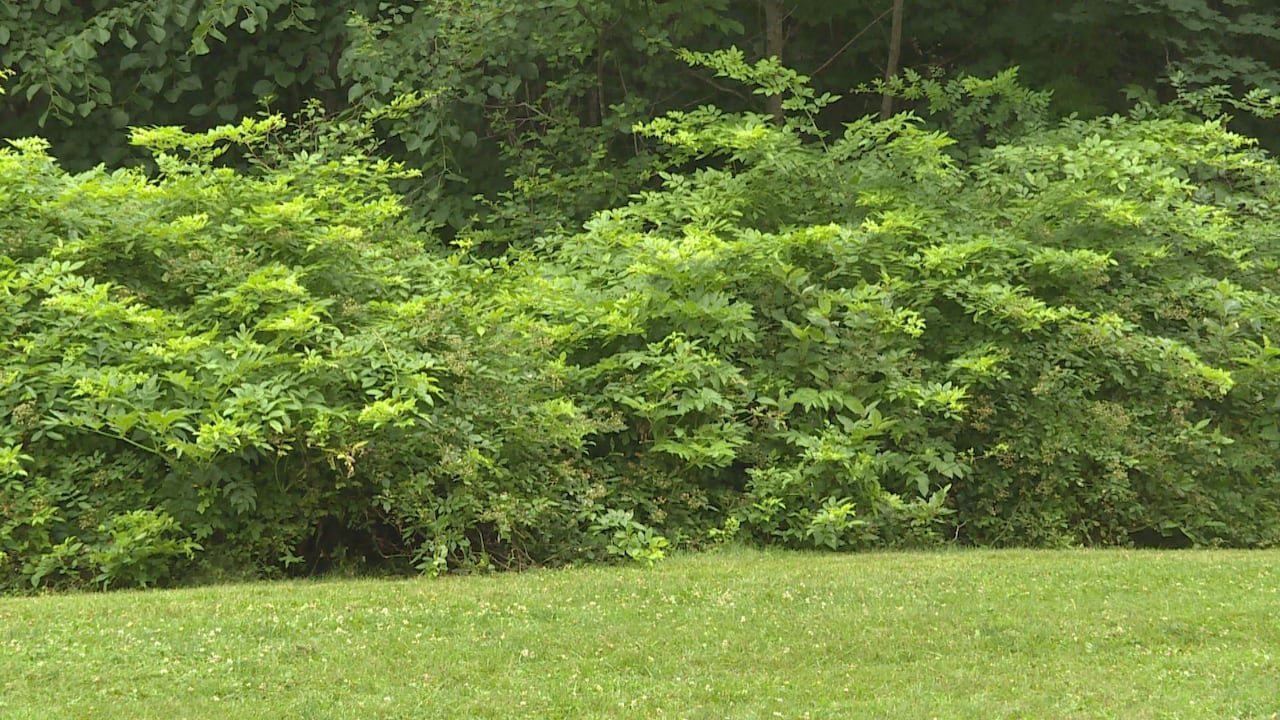
Ecologist Samantha Knight highlights how multiflora roses overtake surrounding plants, eventually dominating the ecosystem with dense growth. (Lars Schwartz/CBC News)
Utilizing manual methods, chainsaws, and tools like the extractigator, Steele and his volunteer group are actively removing multiflora roses and other invasive species since the group’s establishment last spring.
Steele highlighted that replacing native vegetation with exotic plants unknowingly by homeowners can harm local biodiversity.
Knight mentioned ongoing surveys to locate multiflora roses in Halifax parks for removal. Her approach involves pruning the plants to deprive them of resources rather than uprooting them.
Recognizing the importance of managing invasive species to preserve resilient ecosystems, Knight emphasized the need for sustained efforts in combating multiflora roses.
“Our food, clean air, water filtration, and carbon storage rely on intact habitats,” Knight emphasized, highlighting the critical role of natural ecosystems.
The experience of exploring a forest drastically changes in a natural versus an invaded ecosystem