

Since the early 2000s, Ontario’s moose population has experienced a decline of approximately 20 percent, with some northern regions seeing decreases of over 50 percent. The Ministry of Natural Resources and Forestry (MNRF) is investigating the reasons behind this trend.
Recently, research scientist Nick Luymes from the ministry led a presentation outlining the latest insights from a multi-year moose research initiative in Wildlife Management Unit 13, located near Thunder Bay.
Launched in 2024, the project explores various elements that may be contributing to the decline in moose populations, such as predator-prey relationships, diseases, calf survival rates, the effects of roads, and forestry practices.
Despite a significant reduction in hunting licenses over the years, moose numbers have not shown much improvement in nearly two decades, according to Luymes.
“Our goal is to understand the importance of these limiting factors so that we can focus our experiments accordingly,” he stated.
“We want our findings to be applicable to other areas of the province and to understand what influences those factors.”
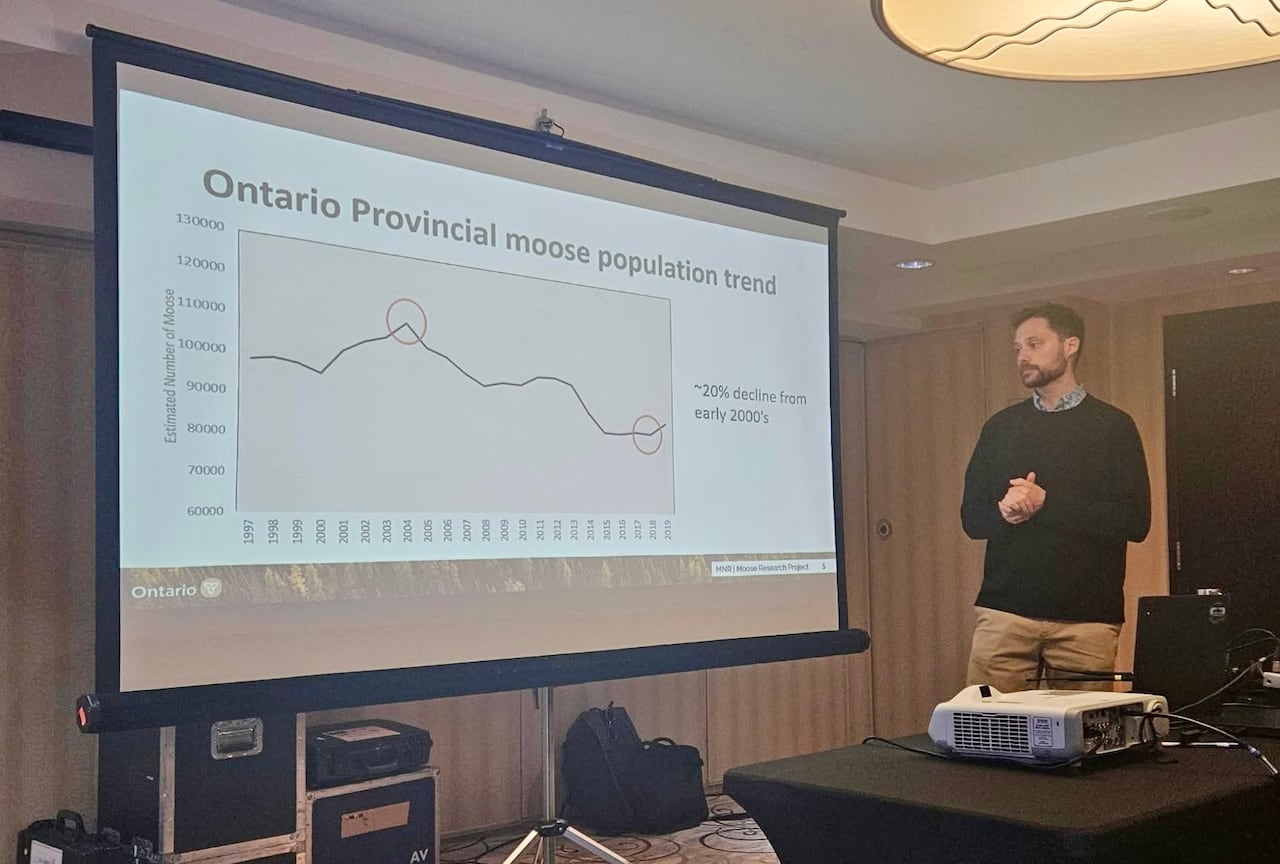
Ministry research scientist Nick Luymes discusses the moose population study during the recent Northern Ontario Tourism Summit in Sault Ste. Marie. (Alex Flood/CBC)
Insights from the ministry’s preliminary findings
Over the past two years, ministry biologists and technicians have successfully captured and equipped with GPS collars more than 200 moose in the Thunder Bay region to track their movements, behaviors, and lifestyles.
“During the capture process, we gather extensive data, including pregnancy status, health indicators, parasite loads, body condition, and genetic information,” Luymes explained.
Luymes highlighted that active predators, such as wolves and black bears, are significantly impacting moose populations, particularly through low calf survival rates — only about one-third survive their first year.
-
Researchers search for answers to declining moose population in northwestern Ontario
-
Manitoba First Nation appeals to licensed moose hunters to turn tags in to province
The team has estimated that the annual survival rate for adult females is around 95 percent, while for adult males, it stands at 70 percent.
“We receive notifications when a moose potentially dies. If that occurs, we can gather samples and conduct investigations at the site to determine the cause of death,” Luymes noted.
So far, 36 of the collared moose in the study area have died.
The leading causes of death for adult males were vehicle collisions and hunting, whereas predation accounted for the majority of deaths among calves and yearlings older than eight months.
For adult females, “unknown health issues” were the most common cause of mortality.
“We are aiming to gain clearer insights into the specific causes,” Luymes stated.
“We are submitting bodily samples to laboratories for more detailed analyses to understand the reasons for these fatalities.”
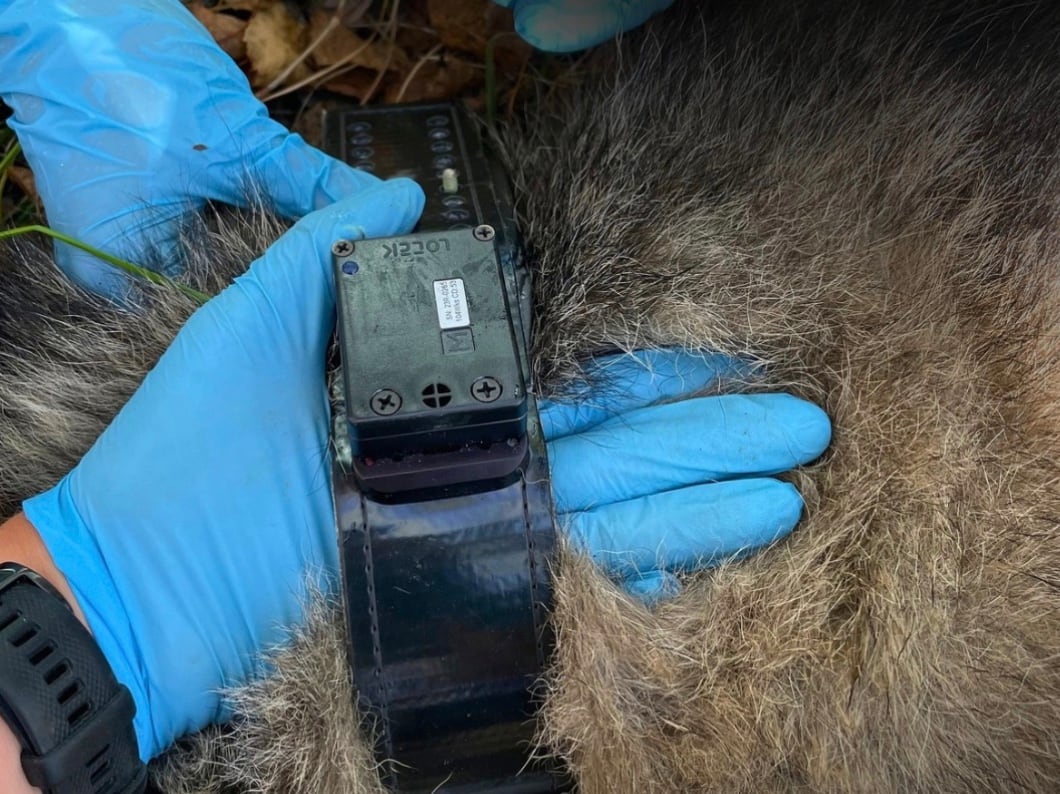
A moose is collared as part of the ministry’s ongoing study near Thunder Bay. (Ontario Fish and Wildlife)
Predator issues seen as a temporary fix, says conservationist
Dave Pearce, a senior forest conservation manager with Wildlands League, a Toronto-based conservation organization partnered with the Canadian Parks and Wilderness Society, recognizes the role of wolves and bears in affecting moose populations but believes they shouldn’t be solely held responsible.
“It’s convenient to suggest that they are the primary drivers, leading to calls for reducing predator numbers,” he said. “However, that approach is merely a temporary fix that fails to tackle the underlying issues.”
Pearce identifies climate change as a major factor hindering moose population recovery.
He cites increasing and unseasonably warm temperatures as a primary reason for the struggles of these large mammals.
“Especially in spring, we are witnessing abrupt shifts to summer-like temperatures, which can lead to hyperthermia in moose,” he elaborated.
“Animals stressed by heat are less active and feed less, negatively impacting both themselves and their offspring.”
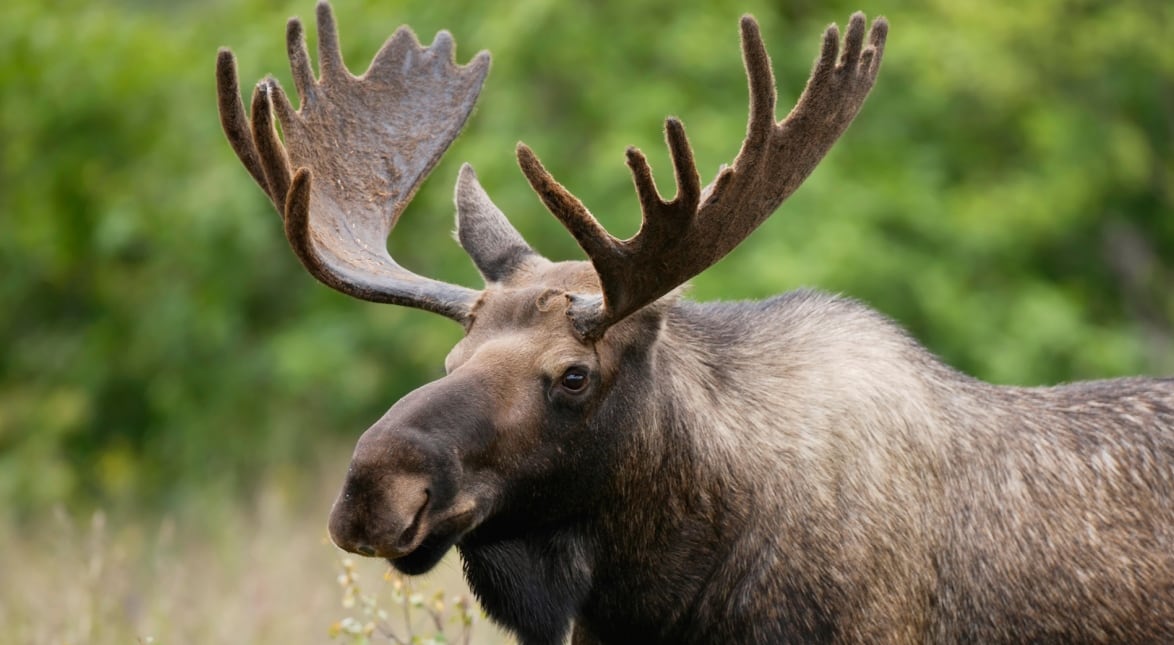
Despite fewer hunting tags issued in recent years, moose populations in Ontario continue to decline, as reported by the province. (CBC)
Pearce also pointed out that a warming climate benefits white-tailed deer, which could lead to an increase in predator populations, further affecting moose.
He mentioned the concern of winter ticks, which heavily impact moose, although Luymes clarified during his presentation that the ministry has not observed significant issues with ticks in the study area.
Sault hunter reports spotting just one moose during a 10-day trip last year
Jeremy Coulis, an Indigenous hunter from Batchewana First Nation and Sault Ste. Marie, has been hunting moose in northern Ontario since childhood.
He also takes part in the regulated tag system with his non-Indigenous friends.
“It’s about the social experience and connecting with nature,” he said. “Spending time with family and friends and disconnecting from technology for a few days is refreshing.”
However, in recent years, the sport has become increasingly difficult for Coulis and his companions.
On a recent hunting expedition this year, just north of Aubrey Falls, he and seven friends encountered four moose — three females and one male — during their week-long hunt.
In contrast, the previous year, that same group only spotted one moose over a 10-day period.
“It’s definitely more challenging now,” he remarked. “You can spend many days out there, but the moose simply aren’t present.”
“Seeing one moose has become a rarity and is now quite surprising.”
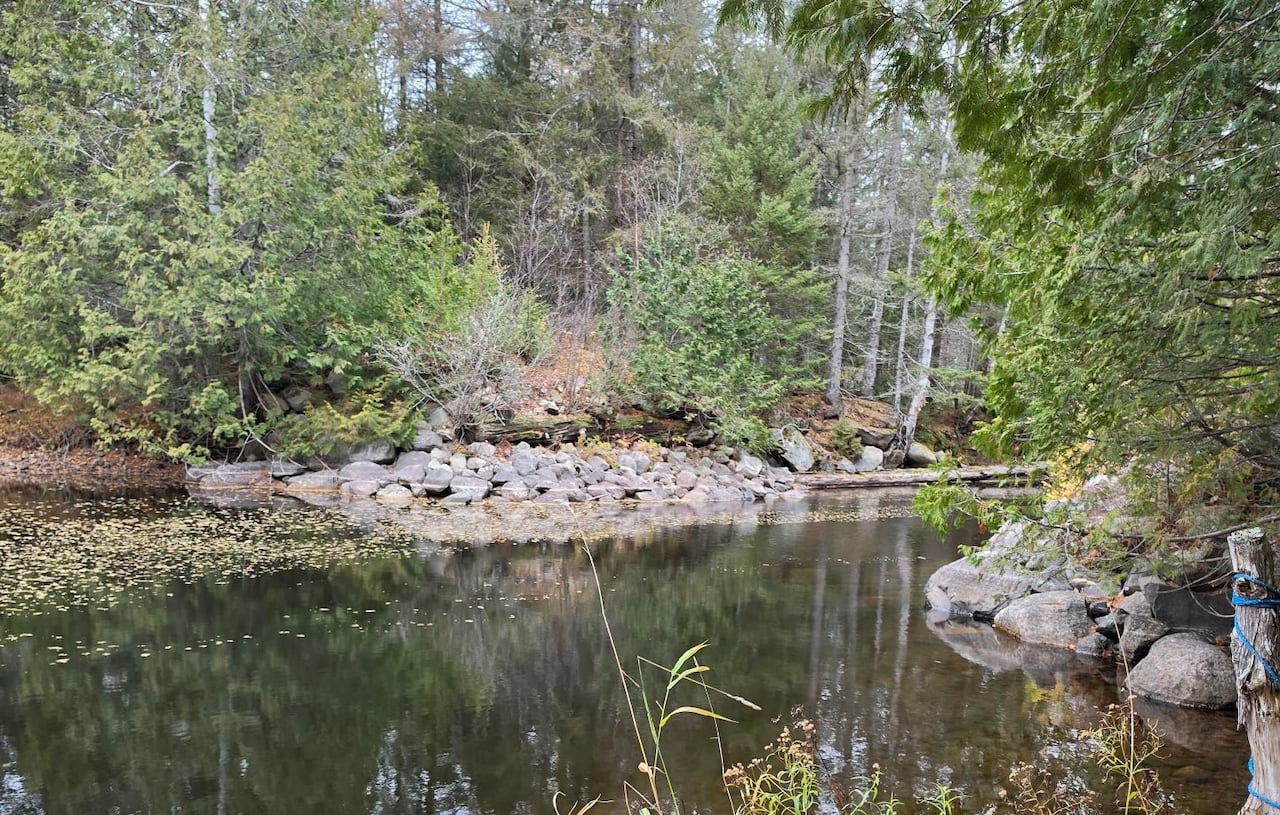
Jeremy Coulis and his friends enjoy their annual moose hunting trips north of Aubrey Falls each fall. (Submitted by Jeremy Coulis)
With the recent decline in hunting tags, Coulis has observed significantly fewer camps and hunters in the wilderness.
When asked about the lack of recovery in moose populations, Coulis expressed worries regarding forestry companies that apply herbicides in forests.
These companies aim to eliminate broadleaf plants that compete with coniferous trees, such as spruce and pine, which are harvested for timber — however, environmentalists have raised concerns about this practice in recent years.
“Quebec has demonstrated a significant rebound in their moose population since ceasing herbicide spraying,” Coulis stated. “Conversely, Ontario shows no interest in halting this practice.”
Tag: rewrite-pending