


This week on Quirks & Quarks with Bob McDonald:
Voyager 1 nearing historic one light-day achievement
On November 18, Voyager 1 will be positioned 25.9 billion kilometers from Earth—marking the first time a human-made object has traveled a distance equivalent to one light-day. Bob McDonald, who witnessed the launch of Voyager 2 from Cape Canaveral, Florida, on August 20, 1977, reunites with Jon Lomberg, the artist and design director behind the Golden Record, which is included on both spacecraft. They discuss the launch and the significance of the mission. Joe Westlake, a space physicist and head of NASA’s heliophysics division, elaborates on how the Voyager spacecraft continue to yield scientific insights about the universe beyond our solar system, nearly five decades later.
Accelerating renewable energy could prevent a ‘global meltdown’
As the United Nations’ climate change conference gets underway in Turkey, the world is on the brink of exceeding the 1.5 C climate limit set by the Paris Agreement. Experts warn that global initiatives to reduce carbon emissions must hasten to prevent a “global meltdown.” According to John Pomeroy, a hydrologist at the University of Saskatchewan, a recent study published in Science highlights the fragility of the planet’s polar regions, indicating that even maintaining a 1.5 C increase would lead Canada into “a very bad spiral, into dysfunction.” Another study, featured in Nature Climate Change, conducted by Corinne Le Quéré, a climate scientist from the University of East Anglia, reveals that between 2019 and 2025, 59 nations, including Canada, successfully reduced their carbon emissions while boosting their GDP. However, she emphasizes that much work remains in the shift to renewable energy sources.

Recent findings indicate that, although there have been strides in transitioning globally from fossil fuels to clean energy, a quicker pace is crucial to prevent a ‘global meltdown.’ (Jeff McIntosh/The Canadian Press)
Strongest evidence of dinosaur blood discovered
Scientists have found fossilized blood evidence within a dinosaur leg bone dating back 115 million years. A research team led by Kliti Grice, a geochemist at Curtin University in Australia, was astonished to uncover molecular signs of heme, an iron-rich molecule commonly found in blood, within the bone. Additional investigations revealed microscopic formations resembling red blood cells and other chemical indicators of blood. After employing 30 distinct techniques, the team’s findings were published in the journal PNAS. Grice asserts that these results provide compelling evidence that certain biomolecules can endure far longer than previously believed under specific burial conditions.
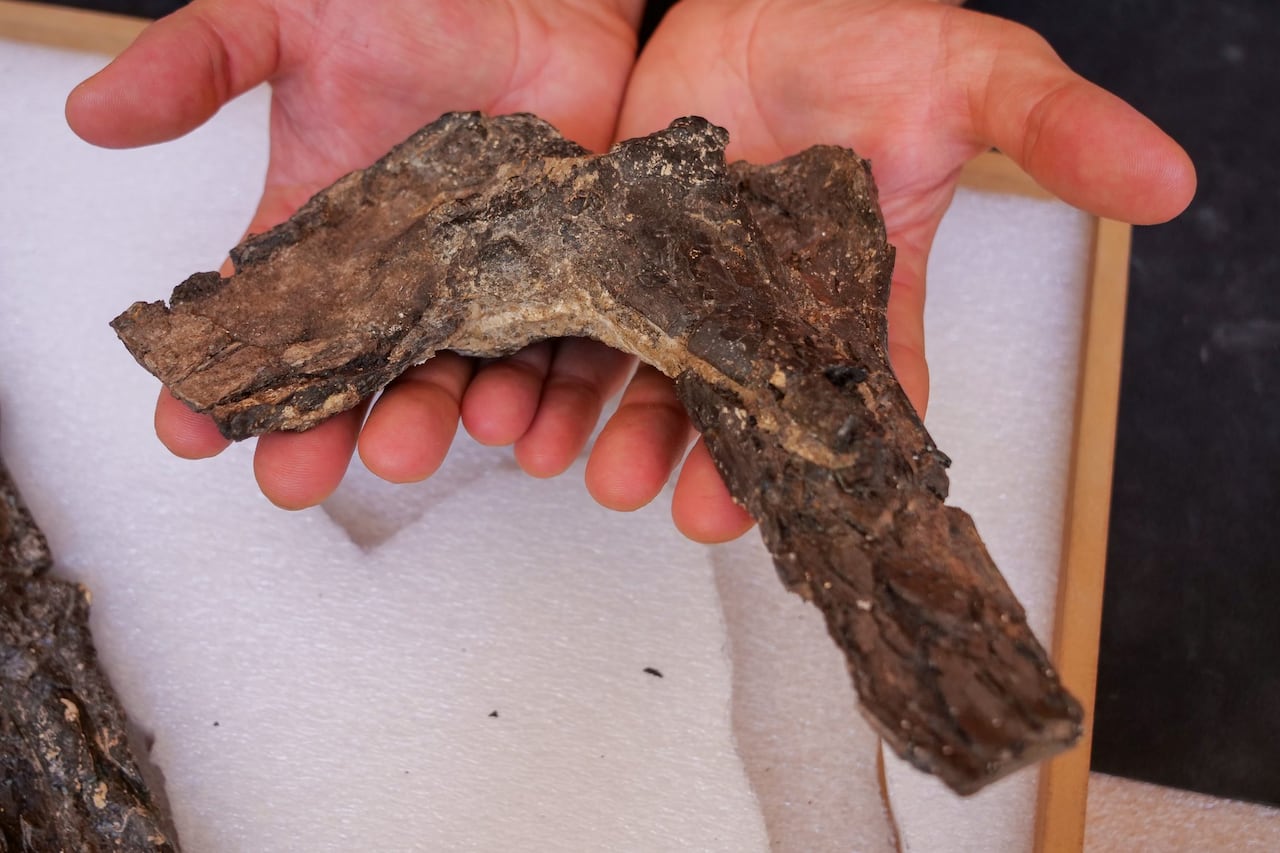
Traces of dinosaur blood have been uncovered in this seemingly ordinary thigh bone, preserved for 115 million years. (Curtin University)
Exploring the connections between humans and birds
Throughout history, birds have been a constant presence in human life—depicted in our art, worn on our clothing, and served at our tables. However, this fascination has contributed to their decline and even extinction. Reports indicate that from 1970 to 2019, North America saw a loss of nearly three billion adult breeding birds. Pete Dunne, the former director of the Cape May Bird Observatory in New Jersey, has authored over 20 books on birds, with his latest being Under Their Wing: How birds shape the human experience.
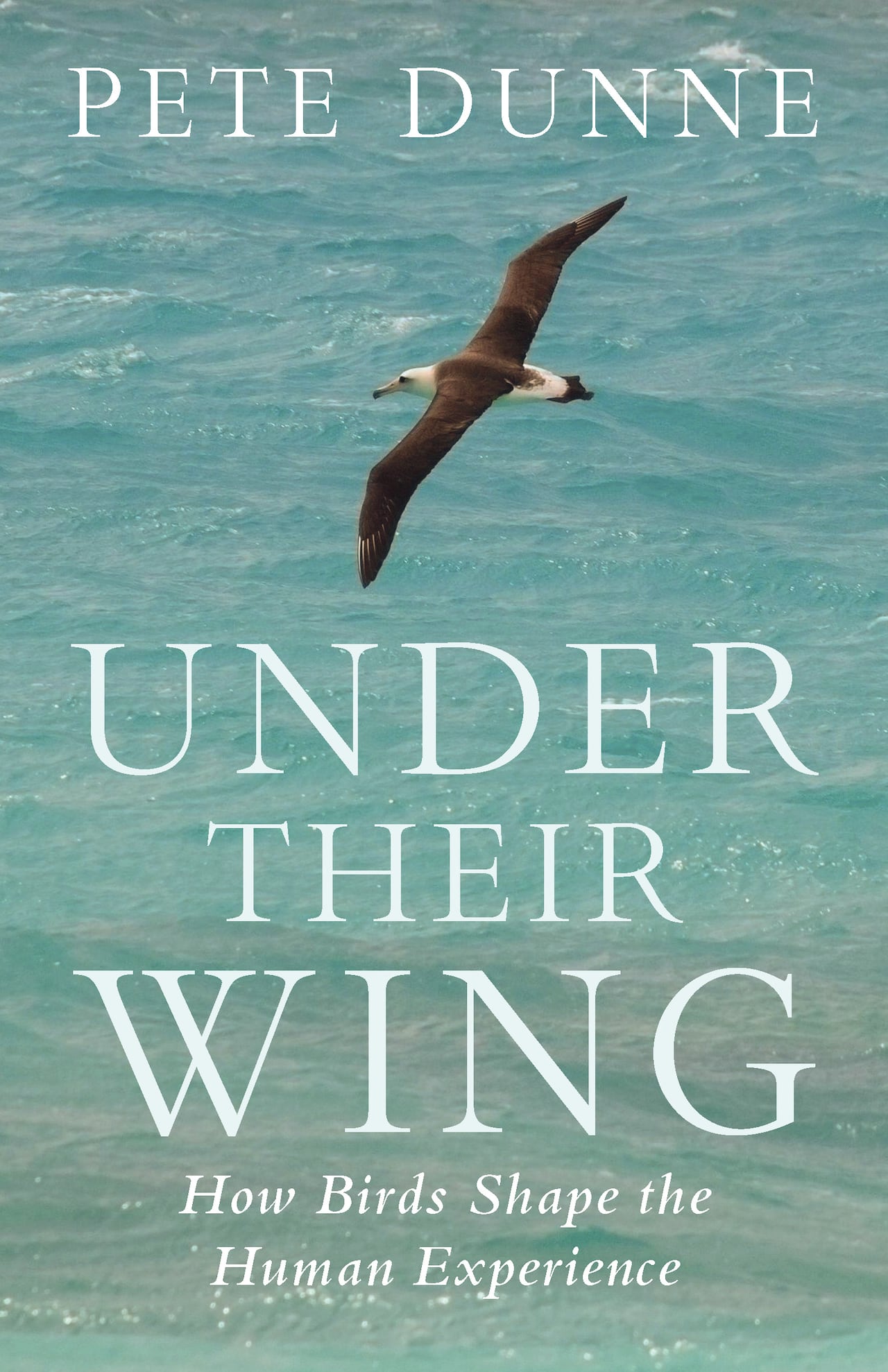
In his book Under Their Wing: How Birds Shape the Human Experience, prolific birder Pete Dunne examines the intertwining history of human development and birds. (Chelsea Green Imprint / Penguin Random House)
Genetic factors influence medication responses
The way your body reacts to new medications can be unpredictable until you actually try them. Some medications may have varied effects based on an individual’s DNA. While researchers are aware of certain gene-medication connections, these insights are not commonly utilized—partly due to a lack of data regarding how widespread these genetic variations are globally. In a recent study published in Science Translational Medicine, Philip Empey, an associate professor at the University of Pittsburgh, and his team examined 100,000 Americans from diverse ancestral backgrounds to better understand the prevalence of these genetic differences.
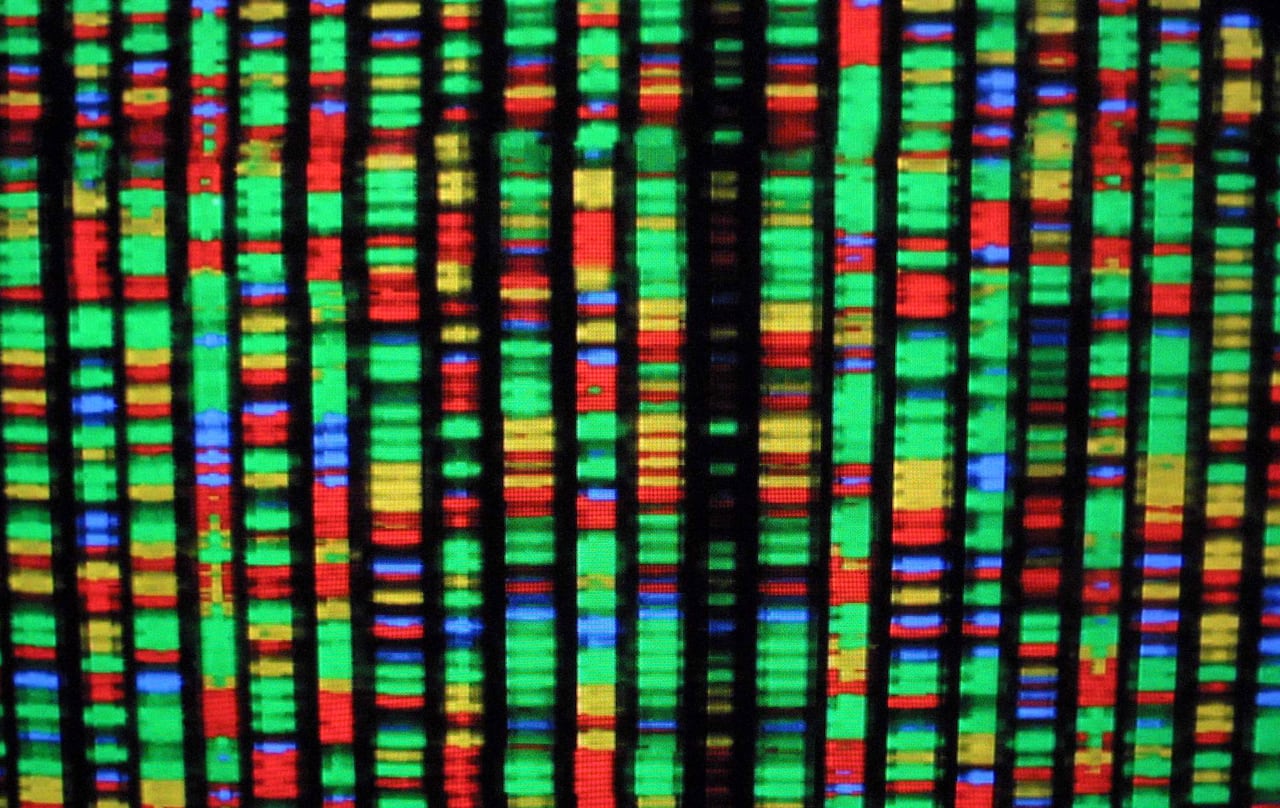
A digital illustration of the human genome. (Mario Tama /Getty Images)
Tag: rewrite-pending